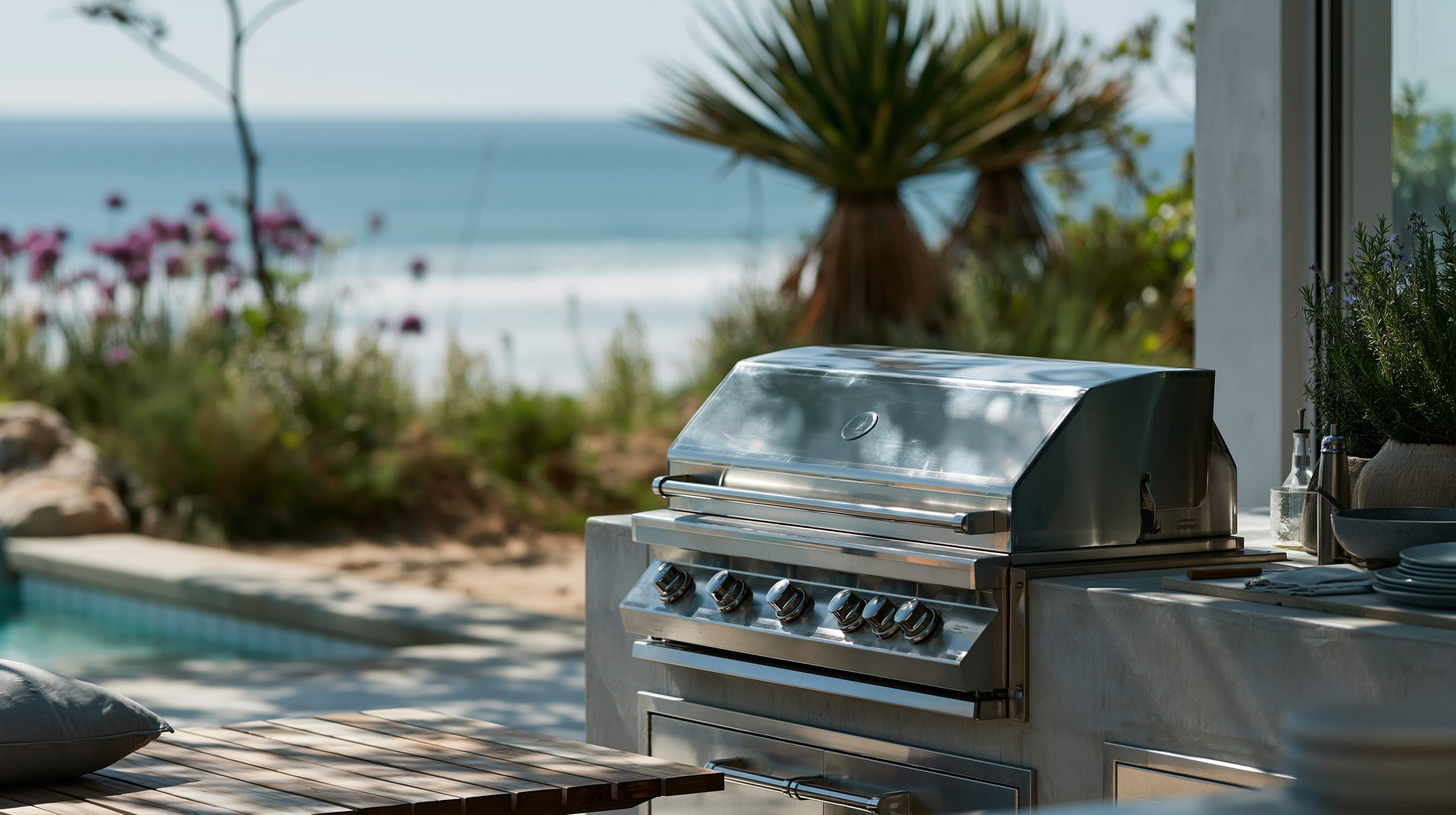
If you live within a mile or two of the water in Manhattan Beach, Hermosa, or anywhere along the Strand, your grill is aging on a different clock. The same burner that lasts eight years in Pasadena will often fail in three at the coast. Members ask us why all the time — and the answer isn't bad luck or a bad grill. It's chemistry.
The ocean is in the air
Breaking waves throw microscopic droplets of seawater into the air. The water evaporates; the salt doesn't. Those chloride particles drift inland on the sea breeze and settle on every outdoor surface — your patio furniture, your windows, and the stainless steel inside your grill. Chloride is the single most aggressive everyday enemy of stainless steel. It attacks the thin, invisible chromium-oxide layer that makes stainless "stainless," opening tiny pits that rust works into from the inside out.
The marine layer makes it worse
Salt alone is fairly harmless when it's dry. The trouble is that the South Bay rarely lets it stay dry. The marine layer rolls in most evenings from May through September, coating everything in a film of cool condensation. Salt plus moisture is an electrolyte — essentially a slow battery running on the surface of your burners, every night, all summer.
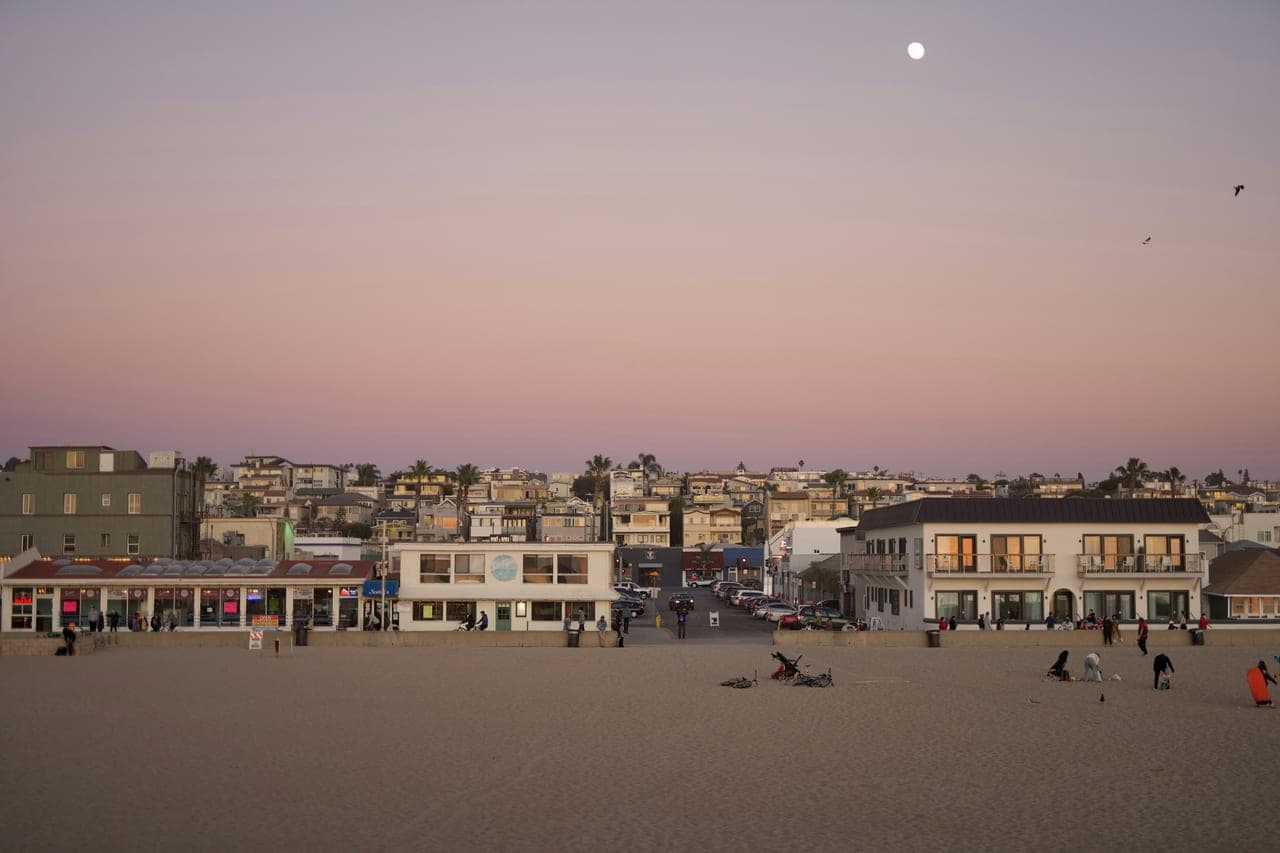
Rust doesn't take weekends off. The marine layer rolls in every night whether you grilled or not.
Not all stainless is equal
Burner failure at the coast is mostly a materials story. Manufacturers quote "stainless steel" the way wineries quote "grapes" — the grade is everything. Here's how the common burner materials hold up against salt air:
| Material | Salt-air resistance | Where you'll find it | Coastal lifespan |
|---|---|---|---|
| Aluminized steel | ● ○ ○ ○ | Budget grills, replacement burners under $20 | 1–2 years |
| 304 stainless | ● ● ● ○ | Most premium grills — Lynx, Hestan, Wolf | 4–6 years |
| 316 stainless | ● ● ● ● | Marine-grade — what boat rails are made of | 8–10 years |
| Cast brass | ● ● ● ● | Older high-end grills, some specialty burners | 10+ years |
If you're within half a mile of the water and replacing burners anyway, ask for 316. It costs perhaps thirty percent more and lasts twice as long. We fit it by default on every burner replacement west of Highland Avenue.
How to spot a burner on its way out
- Uneven flame — bright in some sections, dead in others, because corroded ports are clogging.
- Lazy orange flames instead of crisp blue ones — the air-to-gas mix is off, often from pitted ports.
- Flaking or scale along the burner tube that brushes off in rust-colored crumbs.
- Pinholes — visible flame escaping from anywhere other than the ports. Stop using the grill and replace the burner.
What to do about it
You can't move the ocean, and we wouldn't want you to. But four habits will roughly double a burner's life at the beach:
- Run a ten-minute burn-off after every cook. Heat drives off the evening's condensation and carbonizes drippings before they can hold moisture against the steel.
- Wipe down stainless monthly with fresh water. Plain water rinses the salt film away. Skip the chloride-based cleaners — they're the very thing you're fighting.
- Cover the grill only when it's cool and dry. A cover over a damp grill is a greenhouse for corrosion.
- Get the burners pulled and inspected once a year. Pitting caught early polishes out. Pitting caught late is a replacement part.
None of this is difficult. It's just relentless — the salt arrives every day, so the care has to be steady, too. That's the quiet logic of a membership: your valet keeps the ritual so you don't have to. Your grill stays ready. The ocean stays beautiful. Everyone wins.